ABOUT:
Cato is a 20 year old Australian chef working in fine dining, having entered the industry at fifteen and continuing to develop her approach through experience, observation, and experimentation. Her work reflects an interest in detail, structure, and the underlying systems that shape both food and kitchen environments, forming a foundation that informs both her practical and creative work.
Overview:
Her approach to cooking is informed by experience, memory, and emotional context, with dishes developed not only through technique but through the ideas and feelings behind them. Many of her creations are accompanied by short written elements, including four line poems, which act as an extension of the dish rather than a separate component.
She also draws inspiration directly from produce, regularly visiting markets to source ingredients and develop ideas. In some cases, dishes begin with a single ingredient discovered in this way, with the concept built around it, allowing the direction of the dish to emerge gradually rather than being predetermined.
Approach:
Process:
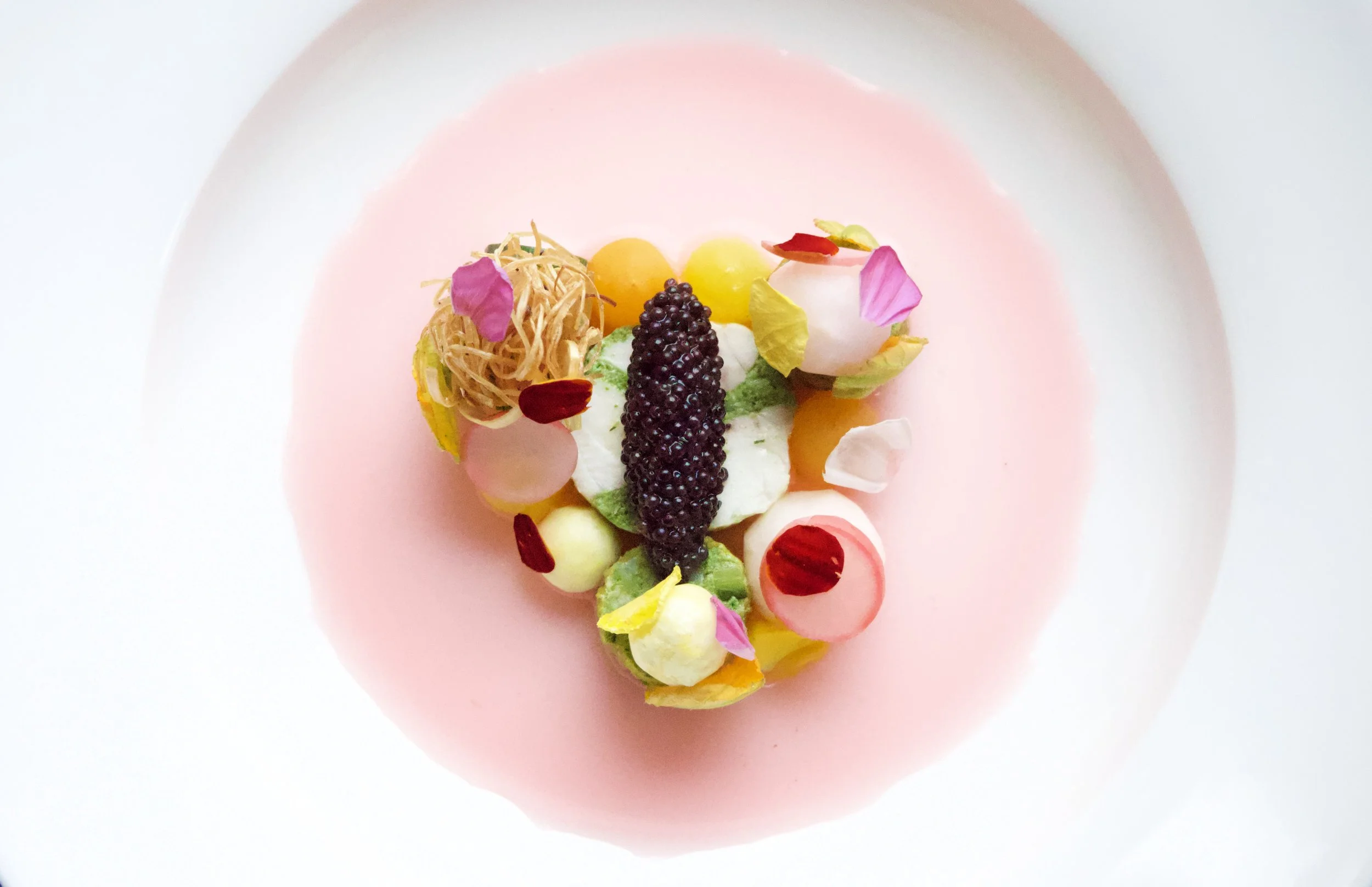
Her work often returns to and evolves from previous ideas rather than remaining fixed. This is reflected in Red on White, a recurring concept that functions as an idea rather than a single dish, taking different forms through changing ingredients and iterations over time.
There is a consistent focus on balance between control and unpredictability within her work. While execution remains precise, the ideas behind each dish are often shaped by less structured influences, including reflection, observation, and evolving thought, allowing the work to develop beyond a strictly controlled framework.
Direction:
Her work extends beyond the kitchen into ongoing creative projects, including Unwritten and Unspoken. While they exist in different forms, both are shaped by the same underlying ideas around memory, structure, and the unspoken aspects of the fine dining industry.
Together, they reflect a broader direction that moves between physical experience and narrative, allowing these ideas to be explored across different formats while remaining connected in intent.
-
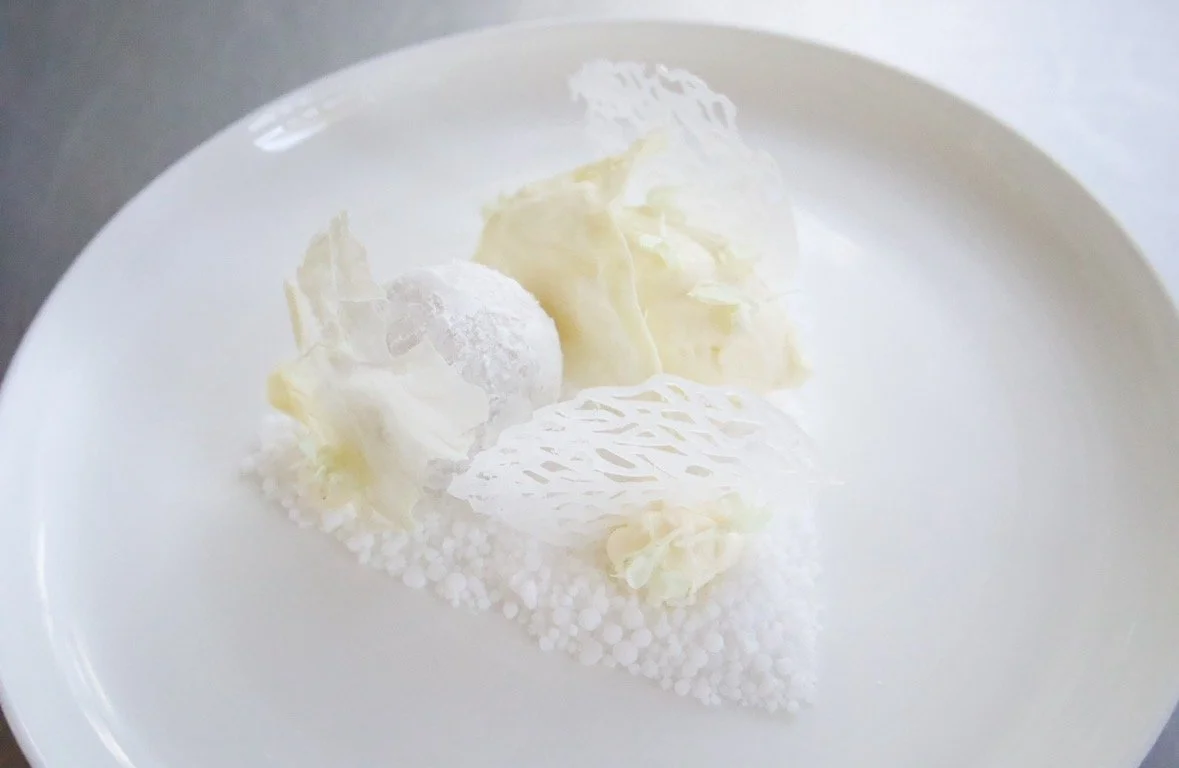
Pastry. This is the station she feels most comfortable in, and the one she understands best, despite never formally holding a pastry role. In smaller brigades, larder often crosses over into pastry, which is where most of her pastry experience comes from. It remains the section that makes the most sense to her.
-
Making the bread. She loves bread, just not when she’s the one responsible for it. Close second is brunoising eschalots. Brunoise in general is fine, it’s just specifically eschalots she doesn’t like.
-
Glucose syrup. She loves it as an ingredient, but hates everything about working with it. It’s easily her worst enemy in the kitchen. There’s a point where it’s too hot to handle properly but just cool enough to become aggressively sticky, and that’s when it ruins everything. When she opens her restaurant, it’s something she plans to delegate immediately.
-
Brae’s Half Time Orange. Nothing has beaten it since she had it in 2024. She tried it during a month long work placement, just quickly out the back rather than as a guest. Normally the dining experience plays a significant role, but even without that it still stood out. It was simply the dish, and it has remained the benchmark for her since.